Tunisia Travel Reflections: Resorts, Sahara Excursions, Climate, and Practical Tips

When you start browsing beach vacation options, your eye naturally gravitates toward Egypt or Turkey – after earlier trips to Sharm El-Sheikh (Hyatt Regency 5*) and Hurghada (Le Rois 3*), I already knew what the Red Sea resorts felt like. Then one day a hot-deal newsletter flagged a surprisingly affordable 12-day package to Tunisia, prompting a deeper look into the country’s flight times, coastal resorts, Sahara excursions, and real traveler feedback.
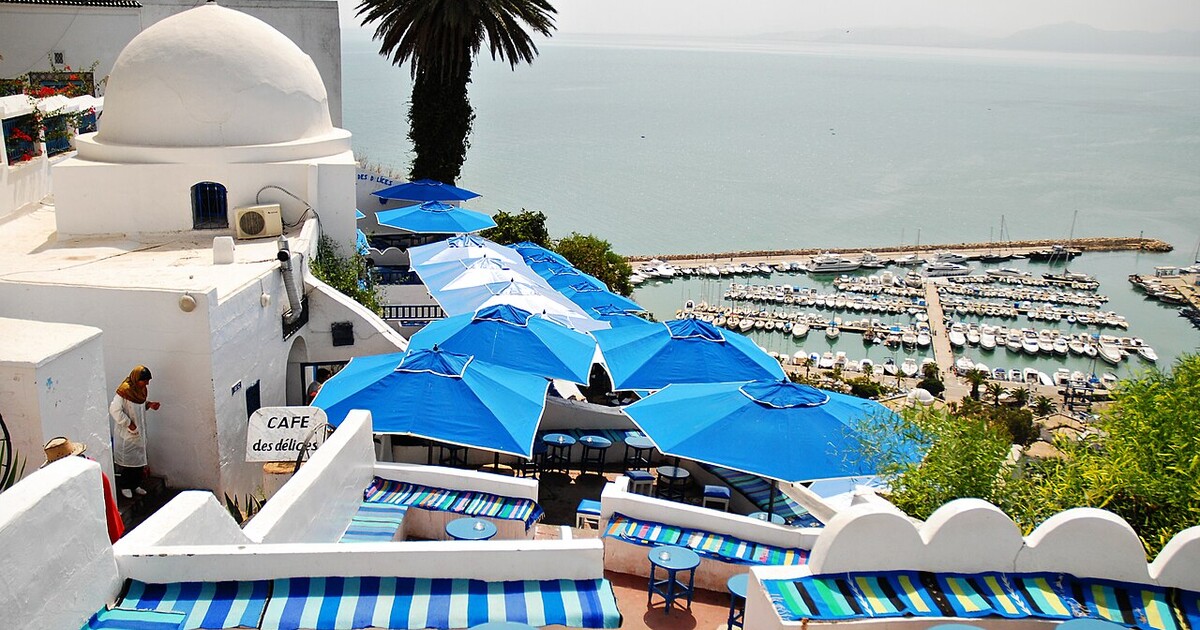 The iconic white-and-blue clifftop town of Sidi Bou Said overlooking the Mediterranean Sea in Tunisia
Flight Time, Climate, and Comparing Tunisia With Egypt
The very first practical question when planning a family trip is flight duration. From Kyiv or most of Eastern and Central Europe, direct charter flights to Tunisia (Enfidha, Monastir, or Djerba) take roughly 3.5 to 4 hours – nearly identical to flying down to Hurghada.
According to traveler reviews, Tunisia’s Mediterranean climate feels noticeably gentler than Egypt’s desert heat: instead of dry Red Sea glare, the coast gets a steady sea breeze, wide stretches of fine pale sand, and a calmer pace outside main shopping strips. The main seasonal caveat worth noting is jellyfish appearing closer to shore during peak late-summer heat – making month and resort selection genuinely important.
Tunisia Beach Resorts: Where to Stay
- Hammamet: broad sandy beaches, green resort grounds, the modern Yasmine Hammamet marina, and thalasso spas – well suited for families with kids, relaxed beach stays, and wellness trips.
- Sousse & Port El Kantaoui: lively seaside promenade, yacht harbor, and an atmospheric UNESCO-listed historic medina – ideal for travelers combining beach time with cafés and town walks.
- Monastir & Mahdia: a quieter resort belt where Mahdia boasts some of the cleanest, brightest white-sand shores in the country – a great match for unhurried holidays and strong value for budget.
- Djerba Island: the southernmost island resort with warm shallow lagoons and a swim season extending into late October – great for spring or late-autumn sun without peak summer crowds.
Thalassotherapy – Tunisia’s Signature Wellness Draw
Thanks to decades of French spa tradition, Tunisia ranks among the Mediterranean’s best-value hubs for authentic thalassotherapy. Rather than standard hotel massages, dedicated centers in Hammamet, Sousse, and Djerba offer structured hydrotherapy programs using heated seawater, marine algae wraps, and mineral mud – typically at a fraction of European spa resort prices.
Top Excursions: Carthage, El Jem, and the Sahara
Even if your primary goal is resting by the water, Tunisia rewards anyone who takes one or two days to explore its extraordinary historical layers:
- Sidi Bou Said and Ancient Carthage: wander the cobalt-and-white clifftop streets overlooking the Gulf of Tunis and explore the Roman Baths of Antoninus and Punic ruins nearby in a single half-day trip.
- El Jem Amphitheatre: one of the largest and best-preserved Roman colosseums in the world, where you can still walk both the subterranean gladiator corridors and upper seating tiers.
- Two-Day Sahara Expedition: journey inland to Matmata’s subterranean Berber dwellings, the vast Chott el Djerid salt flat, desert mountain oases, and iconic Star Wars Tatooine film sets near Tozeur.
Local Cuisine and Practical Travel Tips
Tunisian food blends North African spice with Mediterranean freshness. Highlights include crispy fried brik pastry filled with egg and tuna, seafood or lamb couscous, fiery harissa chili paste, sweet local dates, and fresh mint tea topped with pine nuts.
Practical Checklist for Visiting Tunisia:
- Best Season: May–June and September–October bring +25…+30 °C daytime warmth, pleasant water temperatures, and far fewer jellyfish than late July or August.
- Currency Rules: the Tunisian dinar (TND) cannot legally leave the country, so exchange cash in modest batches and keep official bank receipts to convert leftovers back at the airport.
- Medina Bargaining: unmarked souvenir stalls expect friendly negotiation, whereas state supermarkets and pharmacies carry fixed prices.
- Dress Code Outside Resorts: swimwear stays strictly inside hotels and beaches; pack light clothing covering shoulders and knees when visiting medinas and local towns.
P.S. Food for thought has been gathered and the destination is mapped out – now it is just a matter of picking the right season and packing the suitcases :-)