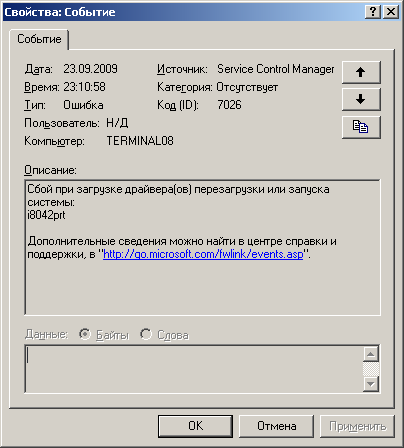
On Windows Server 2003 (and occasionally on desktop Windows XP, 7, or 10 machines), Event Viewer or Windows startup throws Event ID 7026: “The following boot-start or system-start driver(s) failed to load: i8042prt”.
On servers and desktop PCs that use USB keyboards and mice (or run headless over RDP), the fix is a quick one-value registry edit – however, do not apply this tweak on a laptop. Here is why and how to do it safely.
Sending automated emails from a Windows command line or batch script is a lifesaver for sysadmins: a nightly script finishes a backup, exports a database, or checks disk space and immediately emails the log report.
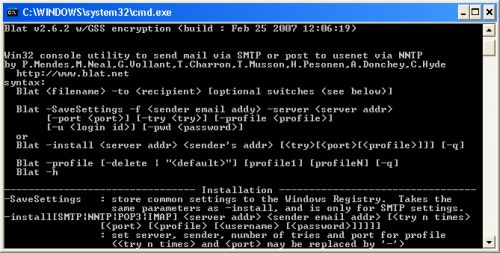
Below we cover both modern built-in ways to send email through Gmail on Windows 10/11 and Windows Server (using built-in curl.exe and PowerShell with zero third-party downloads) and the classic Blat + stunnel setup for legacy systems.
If your ISP’s DNS servers frequently lag, drop queries, or you want to host custom internal domain zones on a home or office PC, you can install a full-featured local caching DNS server – ISC BIND – on any Windows machine (from classic Windows XP Home/Pro to Windows 7 and Windows 10) in about ten minutes.
A local caching resolver stores IP addresses of visited domains directly in your computer’s RAM: the very first lookup to a new site takes the usual 20–50 ms, while every subsequent request to that domain resolves in 0–1 ms straight from 127.0.0.1 without waiting on external servers.
Today I ran into the network worm Net-Worm.Win32.Kido (also known as Conficker, Downadup, and Win32.HLLW.Shadow.based). On one of our servers, the Netlogon and Server services suddenly stopped, cutting off access to shared folders – something that had never happened before. I restarted the services and things came back up, but it was obvious something was off, so I started digging for the culprit.
Net-Worm.Win32.Kido (Conficker) targets unpatched Windows vulnerabilities
Kido affects Windows 2000, Windows XP, Windows Server 2003, Windows Vista, and newer builds, using a polymorphic packer that constantly changes its file signature and makes standard detection harder.